
Cost of Living in Maricopa, AZ
February 20, 2025
February 20, 2025
Real numbers, no spin...
The honest version of what it costs to live here — where Maricopa is cheaper than the Phoenix metro, where it isn't, and the numbers that actually matter when you're planning a move. Housing, taxes, a full utilities breakdown, and groceries.
▶ Watch on YouTube · Subscribe
I really wanted to hand you clean comparison numbers from the big cost-of-living websites — but when I dug in, they didn't pass the logic check. One popular calculator told me Maricopa's cost of living was basically the same as San Diego, which is nonsense the moment you look at actual home prices (a home that's ~$2.1M in San Diego is $700–800K here). Another claimed Maricopa was pricier than Phoenix, which the housing data flatly contradicts. So take those sites with a big grain of salt — here's what the real numbers look like on the ground.
This is the big one. On an apples-to-apples MLS search (single-family, 3+ bed, 2+ bath, built 2000 or later, under 3,500 sq ft), Maricopa's median list price was about $375,000 (~$193/sq ft) versus roughly $550,000 (~$215/sq ft) for the Phoenix metro as a whole. New-construction medians have sat around $382,000, comfortably below Phoenix's $445,000–$475,000.
You generally get a newer, larger home for the money. Casa Grande prices run similar to Maricopa's (a bit higher on the same apples-to-apples filter, though it has older non-HOA communities that pull its overall numbers down). For builders and incentives, see the new-construction guide or the most-affordable new homes comparison.
Property tax is low — about 0.6% of value, roughly $2,200/year (about $185/month) on a ~$370,000 home. Because homes cost less here, you often pay less total than in Phoenix even though the rate is a hair higher. Combined sales tax is 9.2% (Arizona 5.6% + Pinal County 1.1% + City of Maricopa 2.5%, after the city raised its share in late 2025). Arizona's income tax is a flat 2.5%.
Electricity — ED3 (Electrical District 3). Time-of-use pricing, and generally cheaper than Phoenix's APS and SRP. The catch is summer AC: at the peak of summer, a bill can hit ~$300+, while a mild winter drops to ~$60–70 (we run a gas furnace). Being home midday or nudging the thermostat up while you're out saves real money.
Water — Global Water Resources. This is the one that runs high. Before you use a drop, the base water + sewer charges total around $100/month; with usage, a typical bill lands around $130. It's higher than most of us would like — budget for it.
Gas, trash & internet. Natural gas (Southwest Gas, where available) runs about $20–50/month seasonally. Trash is handled per HOA — around $50 per quarter in my neighborhood. Internet comes via Cox, CenturyLink Quantum Fiber, or Orbitel depending on your street, roughly $50–120/month; the newer fiber installs are competitive around $50 (ask what's available at a specific address — some rates are promotional).
Food prices land near the national average — helped by Arizona's long growing season and proximity to Mexico for produce. Your options: Fry's (Kroger, strong sale/app deals), Walmart (lowest everyday prices), Sprouts (organic/health focus), Bashas' (local), with an Aldi on the way. You won't find prices meaningfully different from the rest of the Phoenix metro or Casa Grande.
Maricopa's median household income is about $94,945 — higher than Phoenix's — which tells you who chooses it: working professionals and families trading a commute for more home and a tight-knit community. New to the area? Start with the relocation guide or the 347 commute guide. (Figures are approximate and move with the market — ask me for a current snapshot before you budget.)
Mostly yes, and housing is the main reason. Comparable homes run well below the Phoenix metro - the Maricopa median was around $375,000-$382,000 when I last looked, versus roughly $445,000-$550,000 across the metro depending on the search. Property tax is low (~0.6%), groceries land near the national average, and utilities are reasonable apart from water. The one thing to ignore: generic 'cost of living calculator' websites, which I've found wildly inconsistent for Maricopa.
On an apples-to-apples MLS search (single-family, 3+ bed, 2+ bath, built 2000+, under 3,500 sq ft), Maricopa's median list price was about $375,000 (~$193/sq ft) versus about $550,000 (~$215/sq ft) for the Phoenix metro as a whole. You generally get a newer, larger home for the money here. Casa Grande prices are similar to Maricopa's.
Property tax is about 0.6% of value - roughly $2,200/year (about $185/month) on a ~$370,000 home, and because homes cost less here, you often pay less in total than in Phoenix despite a slightly higher rate. The combined sales tax is 9.2% (Arizona 5.6% + Pinal County 1.1% + City of Maricopa 2.5%, after the city raised its rate in late 2025). Arizona's income tax is a flat 2.5%.
Electricity is through ED3 (Electrical District 3) on a time-of-use plan - cheaper than Phoenix's APS/SRP, but summer AC is the big driver (a peak-summer bill can hit ~$300+, while winter drops to ~$60-70). Water is through Global Water Resources and runs high: roughly $100/month in base water + sewer charges before usage.
Gas (Southwest Gas) runs about $20-50/month seasonally, trash is handled per HOA (around $50/quarter in my neighborhood), and internet (Cox, CenturyLink Quantum Fiber, Orbitel) runs about $50-120; newer fiber is competitive around $50.
Food prices are near the national average - helped by Arizona's long growing season and proximity to Mexico for produce. Options include Fry's (Kroger), Sprouts, Bashas', and Walmart, with Aldi on the way. Walmart tends to have the lowest everyday prices; Fry's has strong sale/app deals. You won't see prices meaningfully different from the rest of the Phoenix metro or Casa Grande.
Stay up to date on the latest real estate trends.
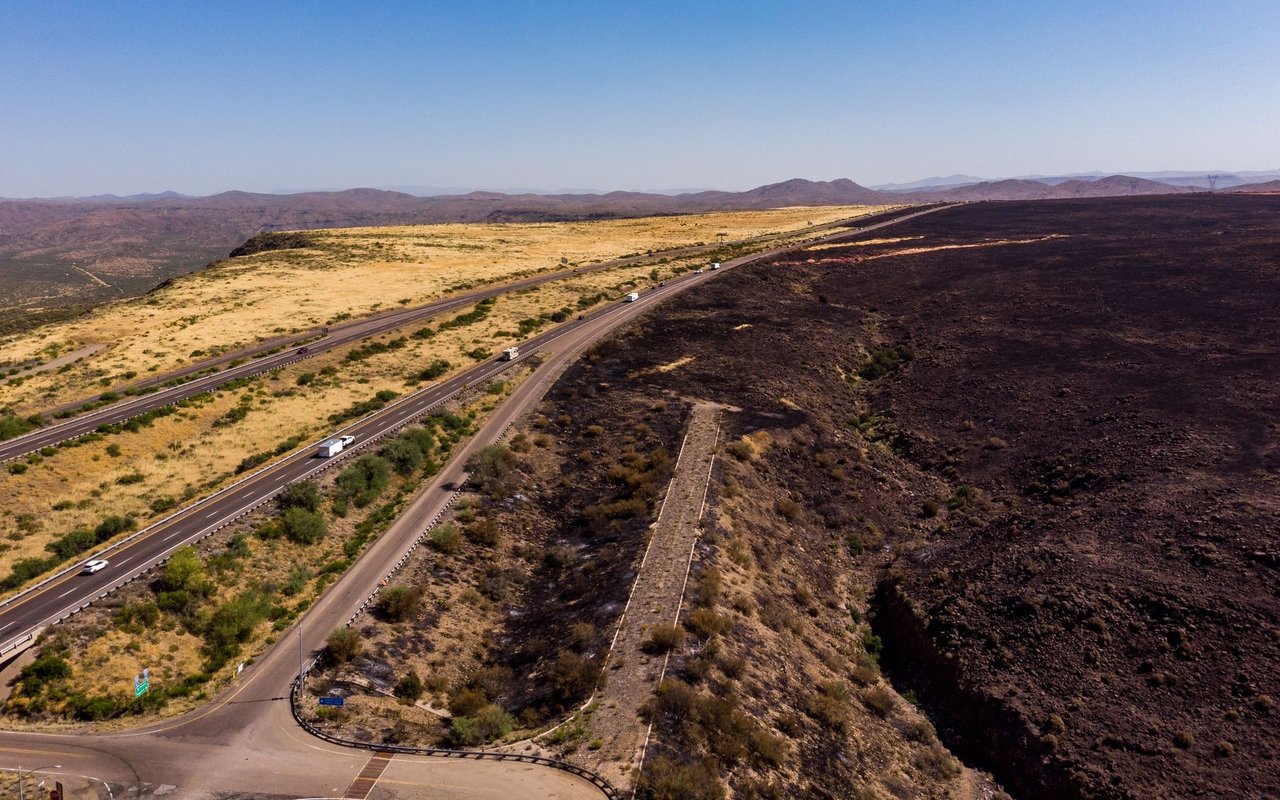
The 347 is the #1 thing people complain about in Maricopa — so let's be straight about it: how bad it really is, why it backs up.

Here's the straight version of where Maricopa is, why people land here, and how to buy a home without flying out a half-dozen times.

A common worry before moving here: "is there anything to DO in Maricopa?" Here's the honest picture.

Here's the honest version of the school situation in Maricopa - the public district, why some families look elsewhere, and alternatives.
Maricopa is built mostly of master-planned communities, each with its own feel and amenities. Here's how the city is laid out.

What you can actually negotiate, why new-build incentives matter, and the one thing to plan for before you buy.
Looking for an affordable new build in Maricopa? Century Homes is building at The Villages in Tortosa, near the future center of town.

Let’s walk the community, the amenities and the HOA, and three homes from the low end of the range up to the top.

A look at every cost that comes out of a home sale in Arizona: what's fixed, what's negotiable, and the one number that matters.
No pressure. No sugarcoating. Just honest advice, local insight, and a REALTOR® who stays personally invested from the first conversation to the closing table.
MIKE MILLET
20100 N 51ST AVE STE E510 GLENDALE, AZ 85308