
Maricopa vs. Phoenix, Arizona: An Honest Look at the Trade-offs
June 9, 2024
June 9, 2024
The honest ledger...
Thinking about the Phoenix area? Here's my honest ledger — the real pros and the real cons of living in the Valley — so you can decide for yourself. (And if affordability is the goal, I'll show you where the outlying towns fit in.)
▶ Watch on YouTube · Subscribe
When you visit, do the Hole in the Rock trail (by the Phoenix Zoo and Desert Botanical Garden) — a short, easy quarter-mile with a gorgeous view of the valley and unreal sunsets. And on price: if the Phoenix metro feels expensive, the outlying towns are the move. That's my backyard — see the Maricopa pros & cons and Casa Grande pros & cons, where you can still get a brand-new home for a fraction of the in-metro price.
A booming job market (TSMC's chip fab, Waymo, big data centers, biotech, plenty of Fortune 500 presence), phenomenal winters with 300+ sunny days, and endless things to do - 185+ golf courses, world-class hiking (South Mountain, Camelback), pro sports, and spring training. Arizona also has no toll roads, doesn't tax Social Security or VA benefits, and has well-organized grid-style roads.
Urban sprawl means real traffic and long commutes; summers are brutal (112-118F for about three months); summer utility bills run high; it's a car-centric city with limited transit; public schools are underfunded (though charters are strong); and there are long-term water-supply concerns worth researching. Occasional haboobs (dust storms) and monsoon flooding round it out.
For a lot of people, yes - especially if you're chasing career opportunities, sunshine, and an outdoor lifestyle, and you can handle the summer heat and some driving. If affordability is your priority, the outlying towns like Maricopa often make more sense - you can still find brand-new homes under $300K there while staying connected to the metro.
Summer peaks run 112-118F. It's a dry heat, which genuinely helps, and you acclimate over time - but you plan around it: keep the AC tuned (twice a year), change filters, swim, and escape up north to cooler, higher elevations. The intense stretch is about three months; relief starts mid-September, and it's glorious by Halloween.
Arizona's public schools are underfunded and tend to rank low, so look up ratings for any specific area. The upside: the state strongly supports charter schools and homeschooling (with funding help); there are excellent charters, and open enrollment often lets you apply to a school outside your zone. Private schools are an option too.
Stay up to date on the latest real estate trends.
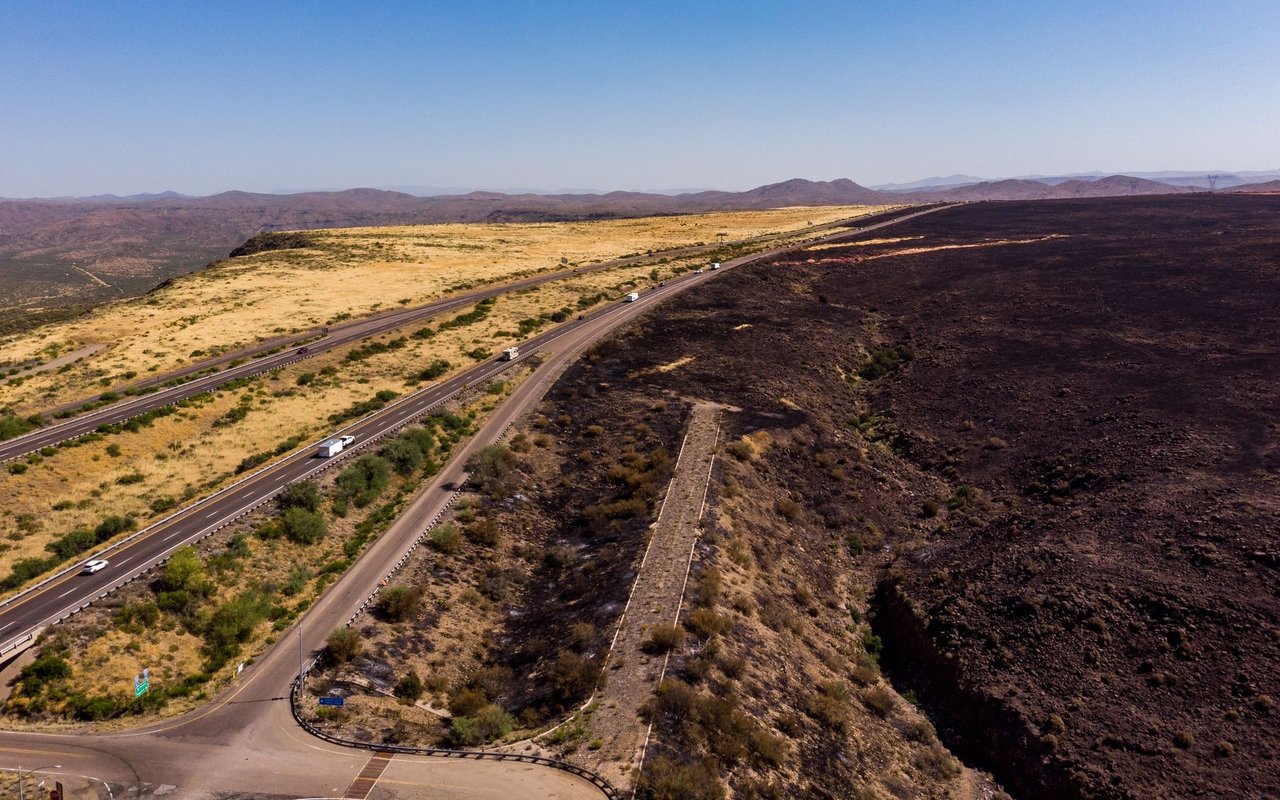
The 347 is the #1 thing people complain about in Maricopa — so let's be straight about it: how bad it really is, why it backs up.

Here's the straight version of where Maricopa is, why people land here, and how to buy a home without flying out a half-dozen times.

A common worry before moving here: "is there anything to DO in Maricopa?" Here's the honest picture.

Here's the honest version of the school situation in Maricopa - the public district, why some families look elsewhere, and alternatives.

Maricopa is built mostly of master-planned communities, each with its own feel and amenities. Here's how the city is laid out.

What you can actually negotiate, why new-build incentives matter, and the one thing to plan for before you buy.
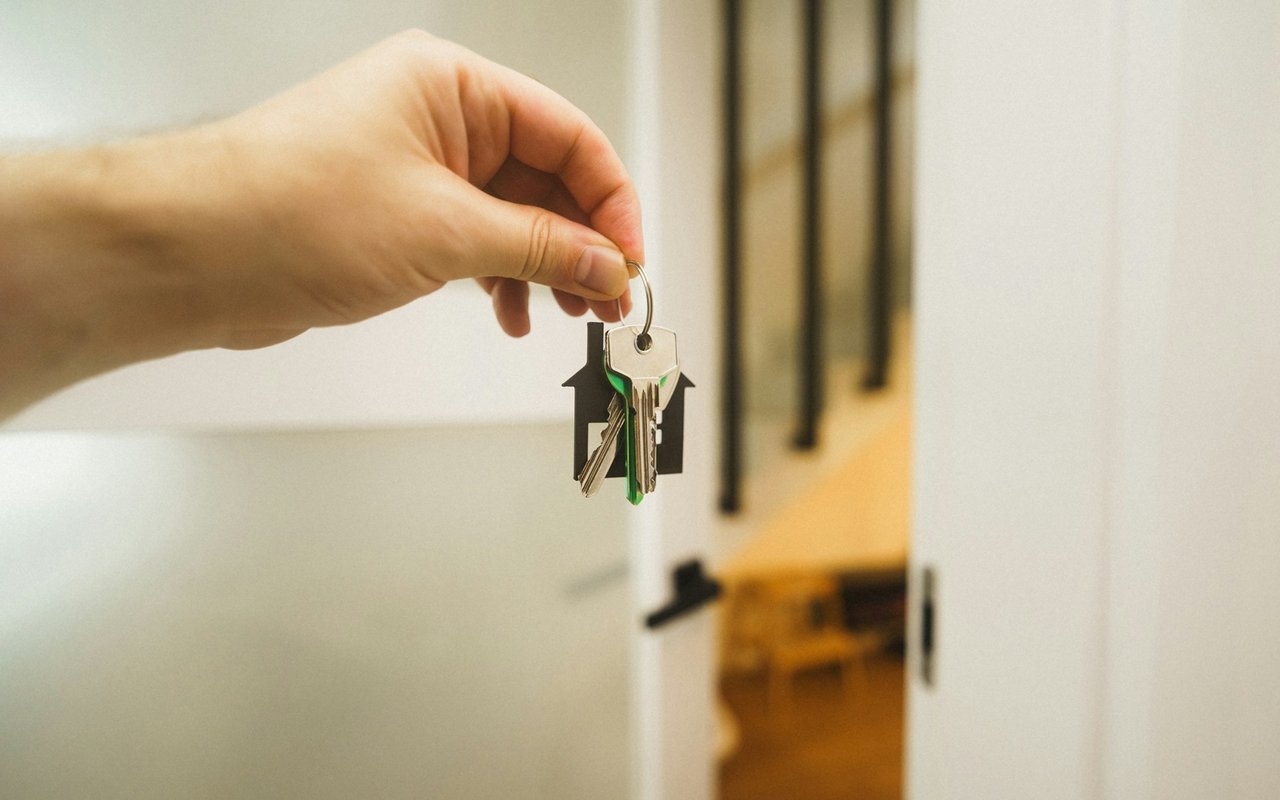
Looking for an affordable new build in Maricopa? Century Homes is building at The Villages in Tortosa, near the future center of town.
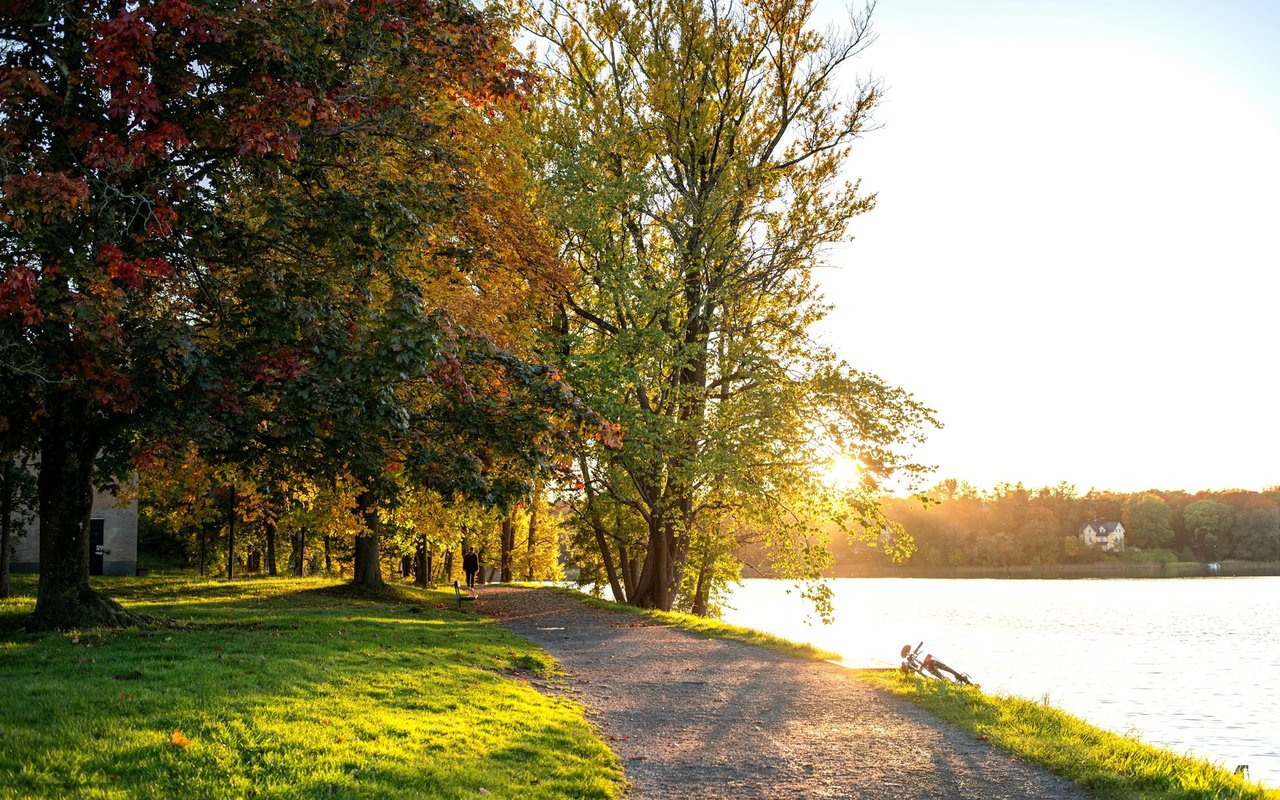
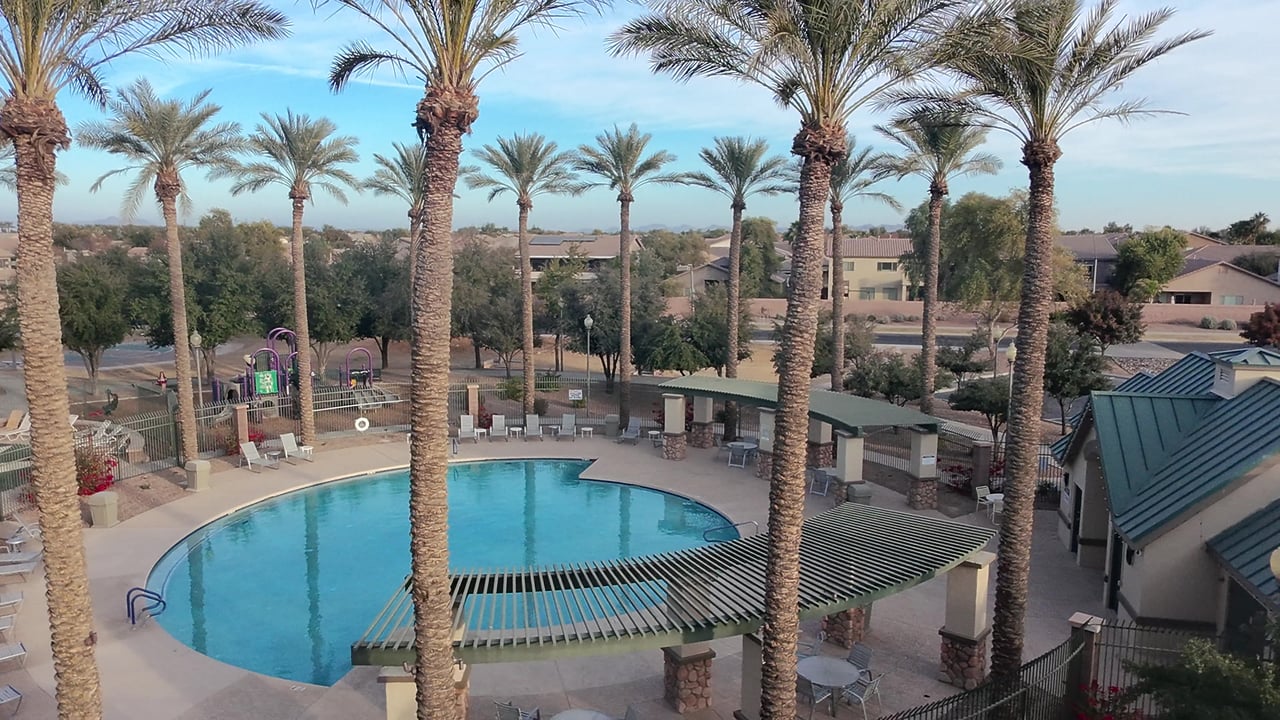
Let’s walk the community, the amenities and the HOA, and three homes from the low end of the range up to the top.

A look at every cost that comes out of a home sale in Arizona: what's fixed, what's negotiable, and the one number that matters.
No pressure. No sugarcoating. Just honest advice, local insight, and a REALTOR® who stays personally invested from the first conversation to the closing table.
MIKE MILLET
20100 N 51ST AVE STE E510 GLENDALE, AZ 85308